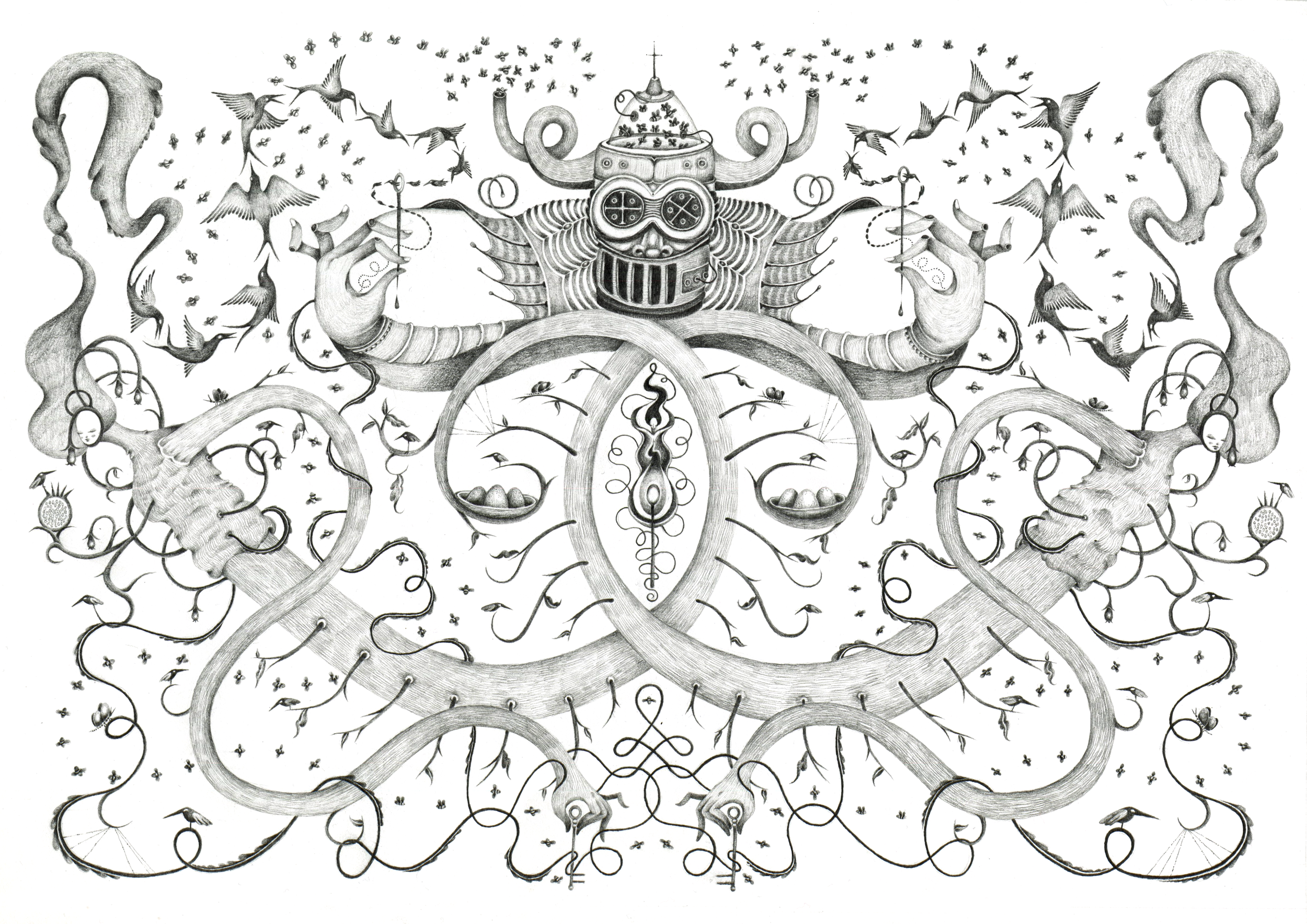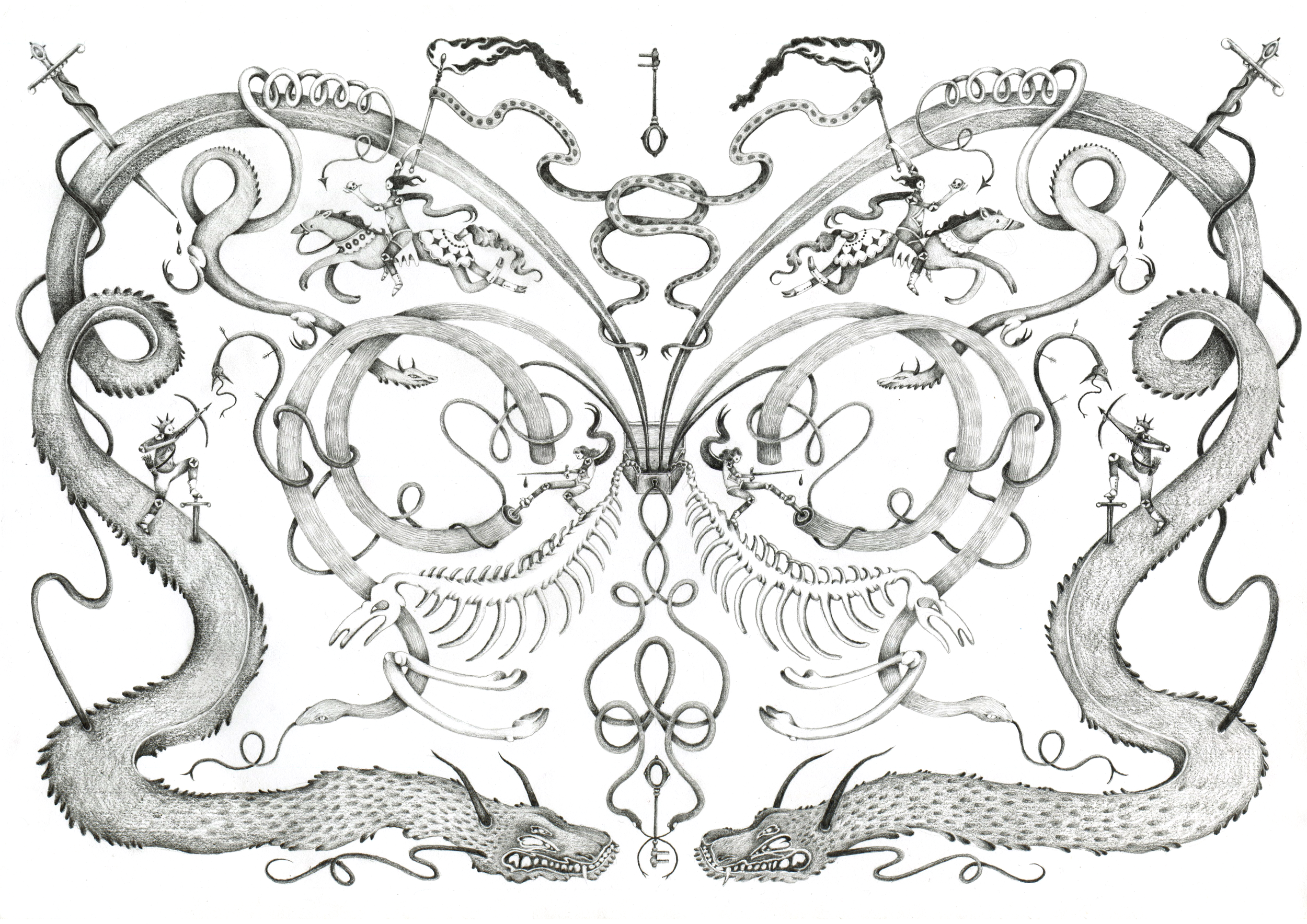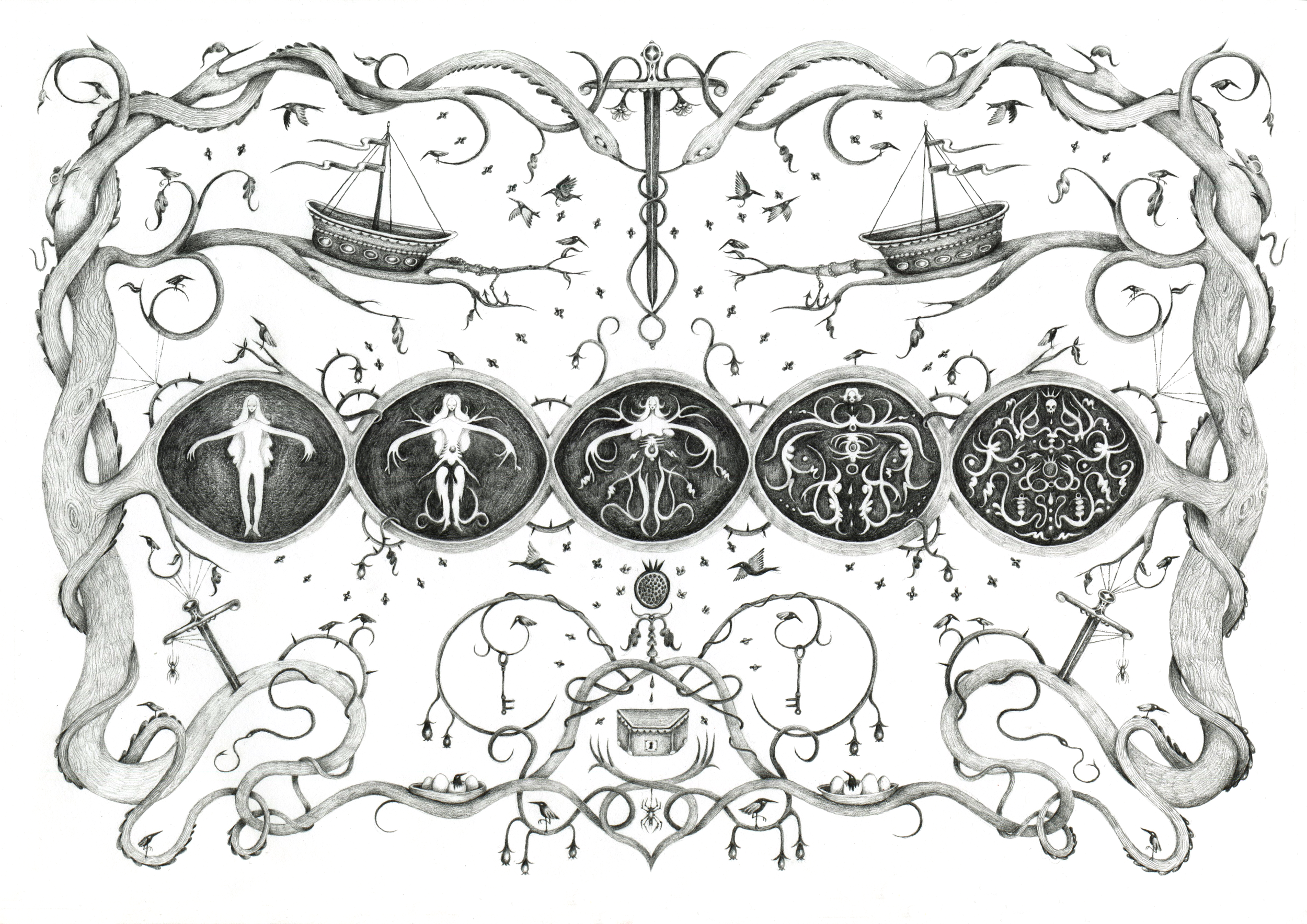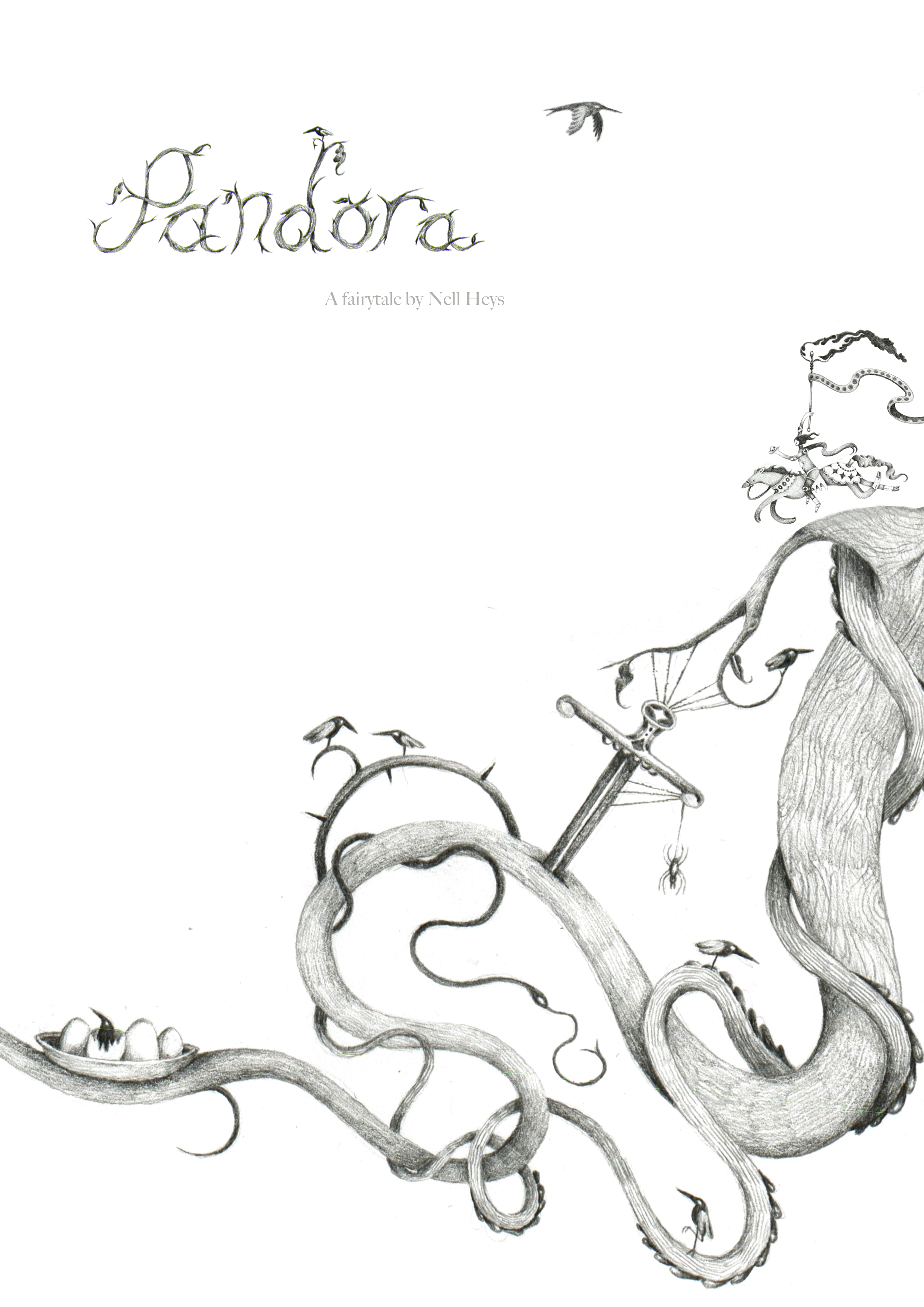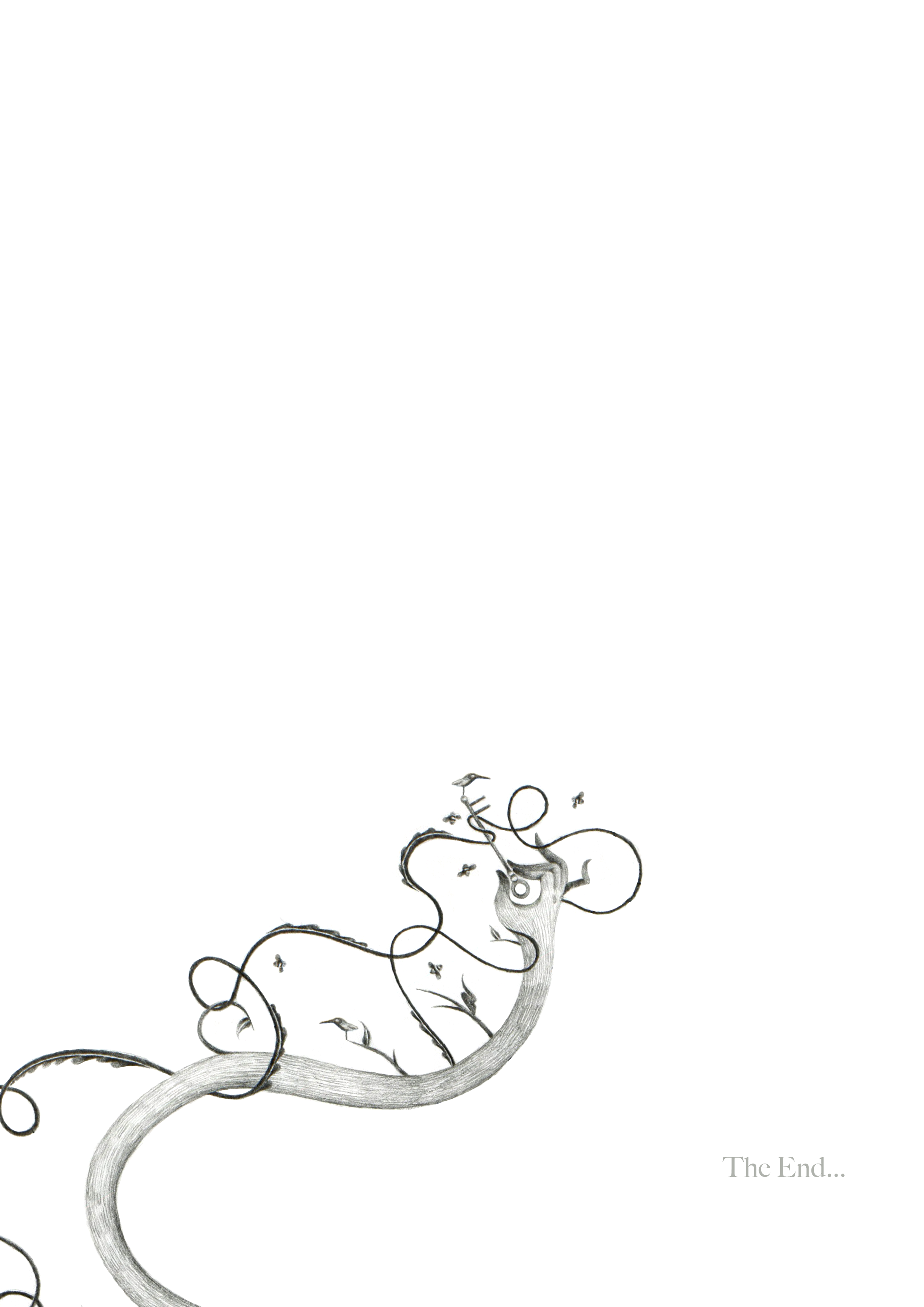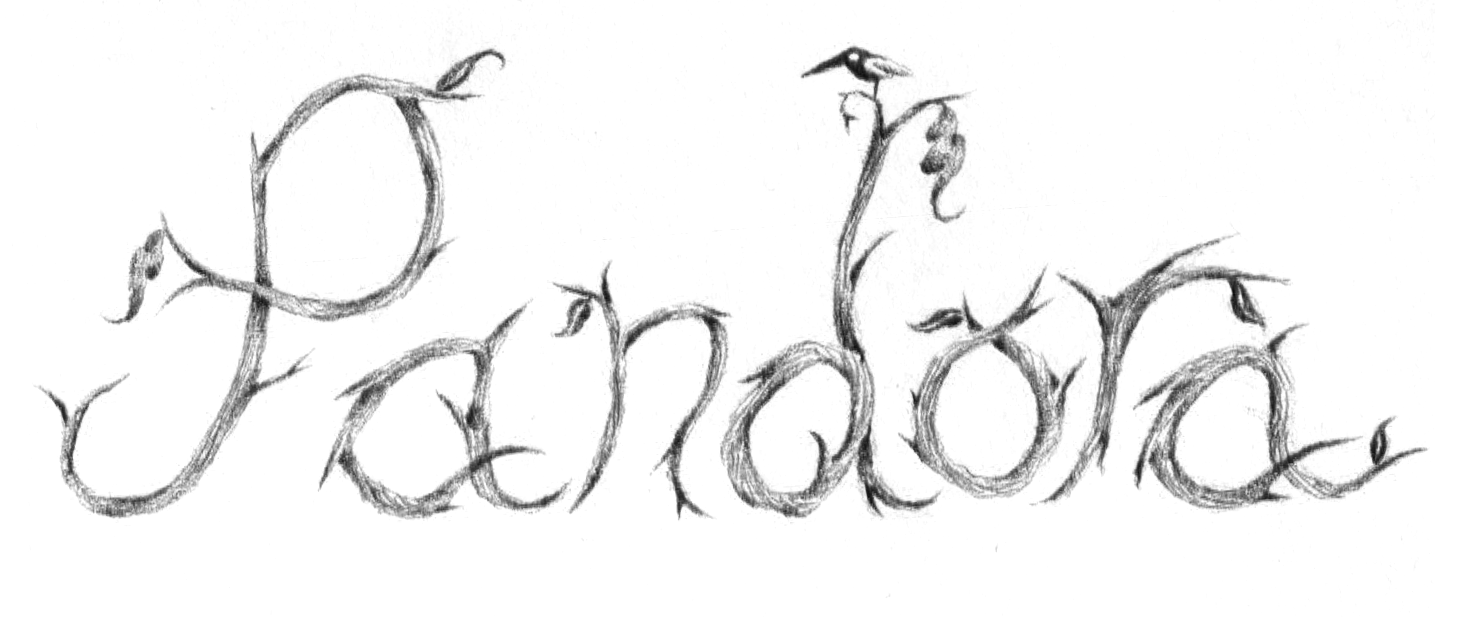
‘Pandora’, is a retelling of the myth Pandora's Box, but leans a lot more into ideas presented in Mary Shelley’s ‘Frankenstein’, which was referred to at the time as ‘the modern Prometheus’.
Seeking to reframe the misogynistic undertone of the myth, I researched the origins of the tale, and learned that Pandora was much more than the familiar legend suggests. The name Pandora predates the greek myth as an archaic, pre-patriarchal name for the goddess Gaia, known as creation itself, personification of the Earth and mother of all deities and gods. Hesiod’s ‘Pandoras Box’ warps this name to aid the destructiveness of patriarchal ideals. Pandora loses all previous association with the powerful, worshipped female deity and becomes the first woman, sinful, naive and deceitful, blamed for bringing violent discord into the world, all previous associations eclipsed by this new interpretation.
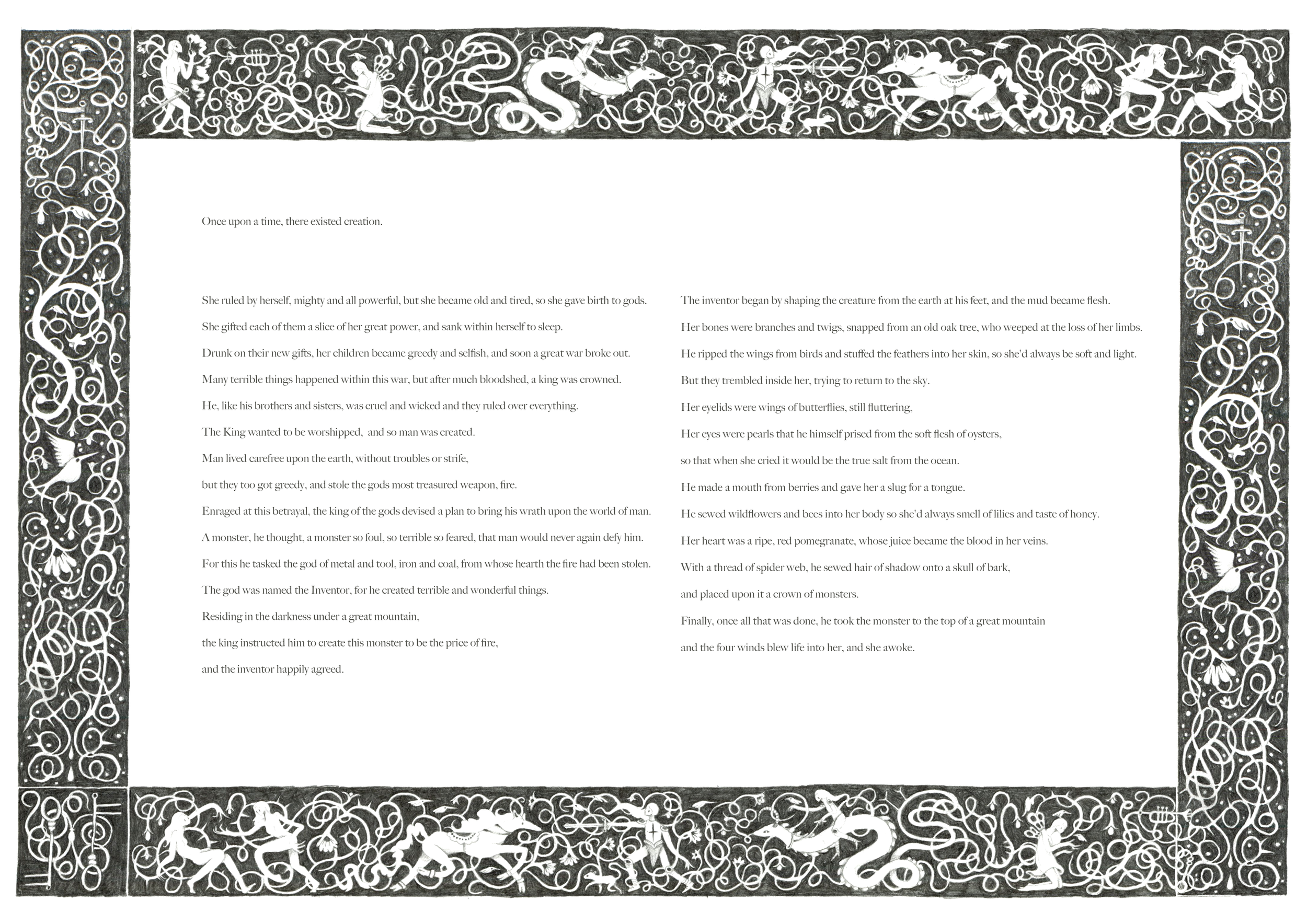
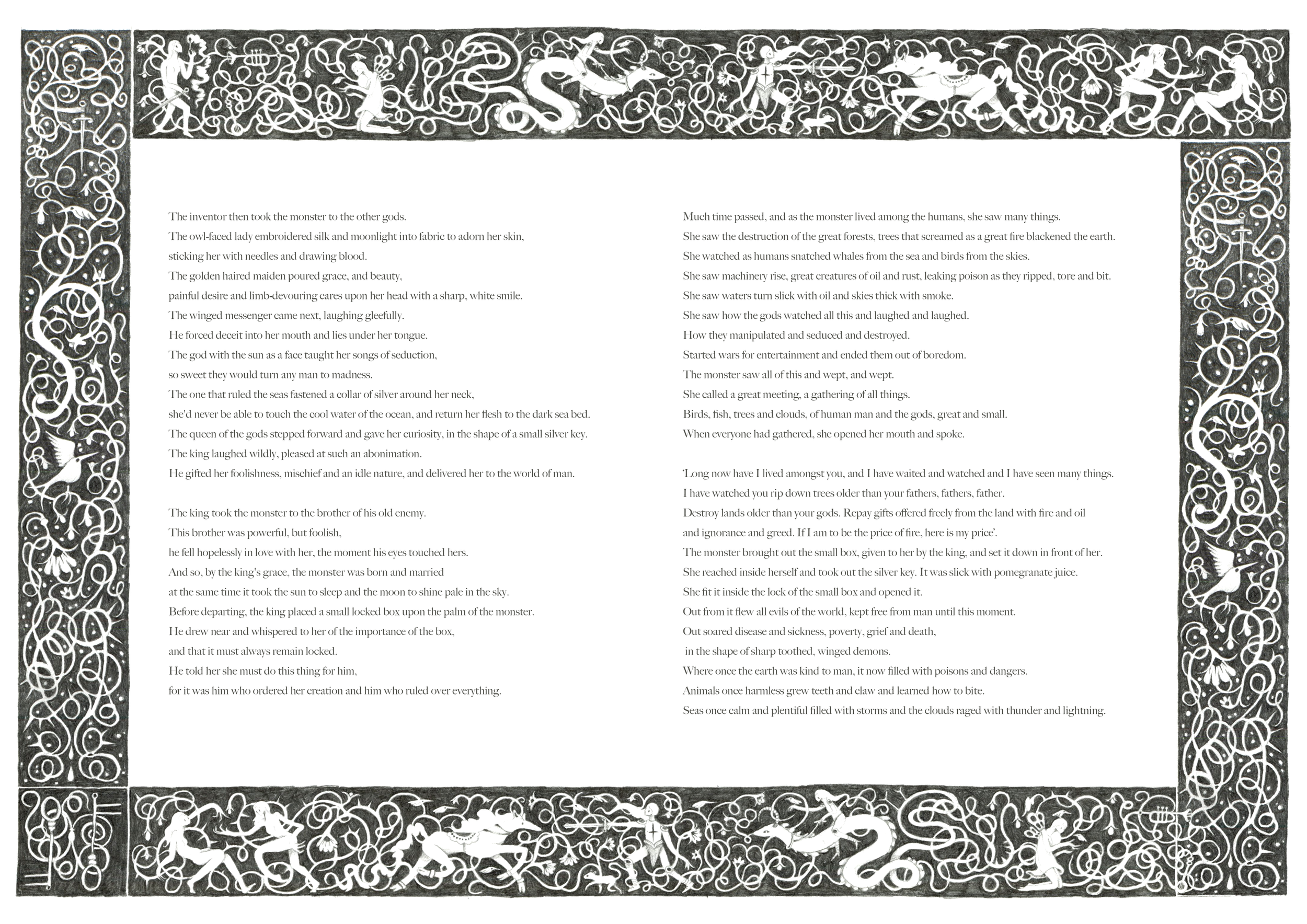
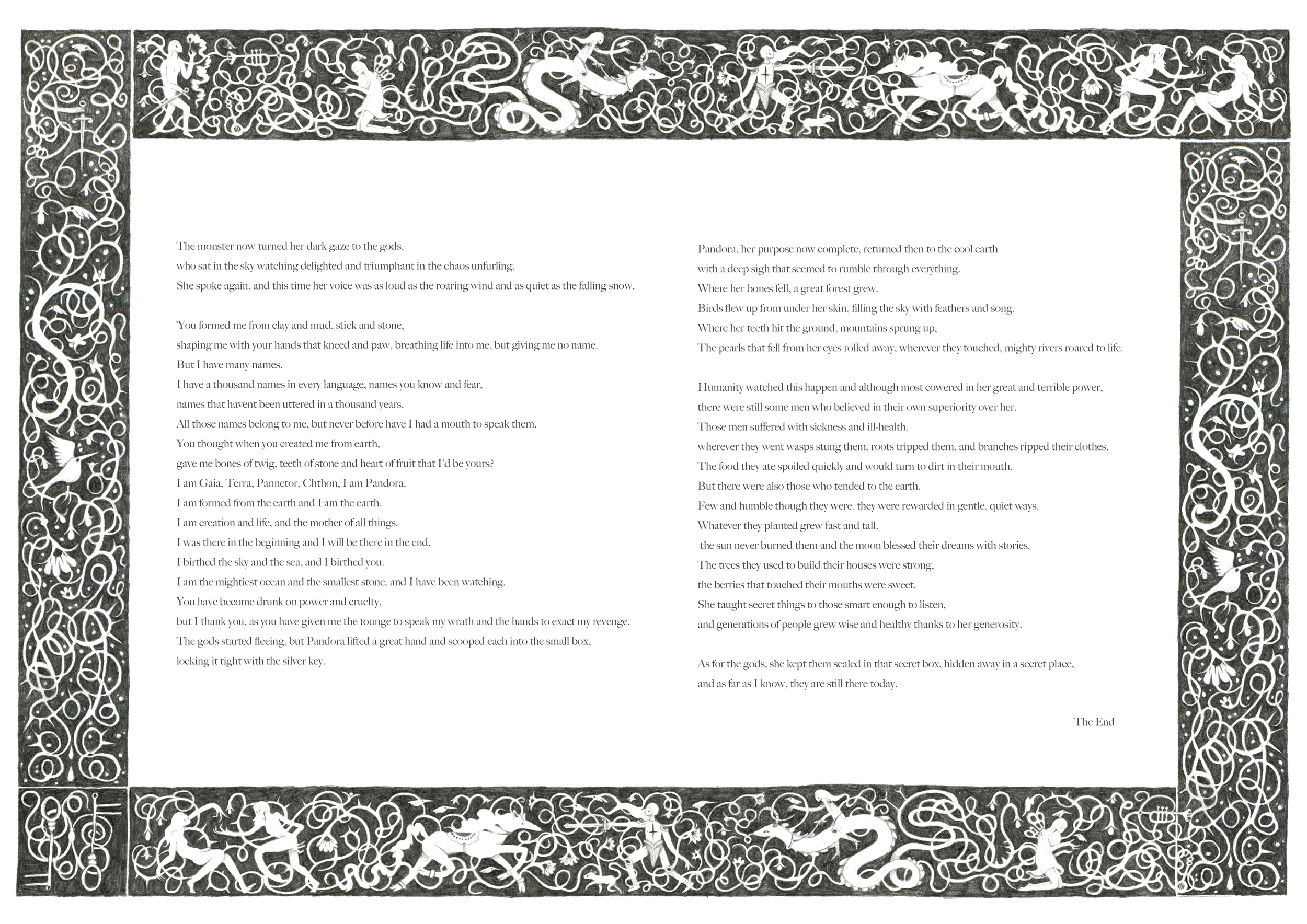
In ‘Pandora’, Gods rule the earth, blinded by power and thinking themselves invincible, create a monster to punish humans for stealing their fire. The creature, a nameless golem, is formed from earth, twig and stone, and is delivered to the world of man. The monster however, witness to the atrocities of both man and god, may have more power than anybody ever thought she could. ‘Pandora’ questions what would happen if you gave creation itself a mouth to speak, eyes to witness and hands to enact her revenge.